Pressure complaints are one of the hardest things in plumbing to answer honestly, because the symptom is entirely subjective until somebody puts a gauge on it. "The shower is weak" can mean a blocked aerator, a failing valve, a partly closed stop tap, or nothing wrong at all.
On this ground there is an extra possibility that does not exist on the flat. The suburbs around the inner harbour drop hard to the water, and mains pressure changes with height. A house near the top of a ridge and one a few hundred metres downhill can be fed by the same main and feel completely different, with nothing broken in either.
Water pressure falls as you go up and rises as you come down, so elevation alone can explain a noticeable difference between two houses on the same street. That means a pressure complaint here should be measured before anything is replaced. A gauge on an outside tap costs an hour and settles whether you have a fault or a hill.
- Establish whether it is one fixture or the whole house
- Check whether it changed suddenly or has always been like this
- Have the pressure measured at the tap rather than described
- Rule out aerators, filters and partly closed valves first
- Only then talk about pumps, valves or pipework
On this page
1. Why the height of the house matters at all
Water in a mains system is under pressure, and gravity works against that pressure every metre the water has to climb. Feed two houses from the same main and the one higher up the hill receives less, because some of the available pressure has been spent lifting the water to it.
On flat ground this is invisible. Across the ridges and drops around the inner harbour it is not, because the elevation change over a short distance is substantial. Neighbours comparing notes about their showers are sometimes comparing two genuinely different situations.
That does not mean nothing can be done. It means the starting point is different, and a solution that assumes a fault will not deliver what somebody is expecting.
A house low on the slope can receive noticeably more pressure than one at the top. That is not automatically good news: high pressure shortens the life of flexible hoses, washers and appliance inlets.
2. The first question: one fixture, or all of them?
This single question separates most pressure problems into two completely different families, and it costs nothing to answer.
- One fixture is weak, the rest are fine. The problem is at that fixture or in the short run feeding it. Aerators, cartridges, isolating valves and flexible hoses are the usual causes, and all of them are small jobs.
- Only the hot side is weak. That points at the hot water system, its outlet valve or the hot line, rather than at the mains at all.
- Everything is weak, and always has been. Now elevation, the size of the incoming service and the age of the pipework are all live candidates.
- Everything is weak and it changed suddenly. Something specific has happened. A partly closed main stop tap, a failed valve, or work somewhere on the system.
People frequently ring about the last of these having lived with the third for years without noticing. Establishing which it is at the start avoids replacing things that were never the cause.
3. Measuring it, instead of describing it
A pressure gauge on an outside tap turns an argument into a number. It is a small piece of equipment, it takes minutes, and it is the only honest basis for deciding whether anything needs doing.
Flow matters as much as pressure, and they are not the same thing. Pressure is the force available. Flow is how much actually arrives, and a partly blocked line or an undersized service can produce poor flow with perfectly reasonable pressure. A shower that feels weak is usually a flow complaint even when people describe it as pressure.
Measured at the meter, at an outside tap and at the fixture in question, those numbers tell you where the loss happens. That is the difference between a targeted repair and replacing a tap that was never the problem.
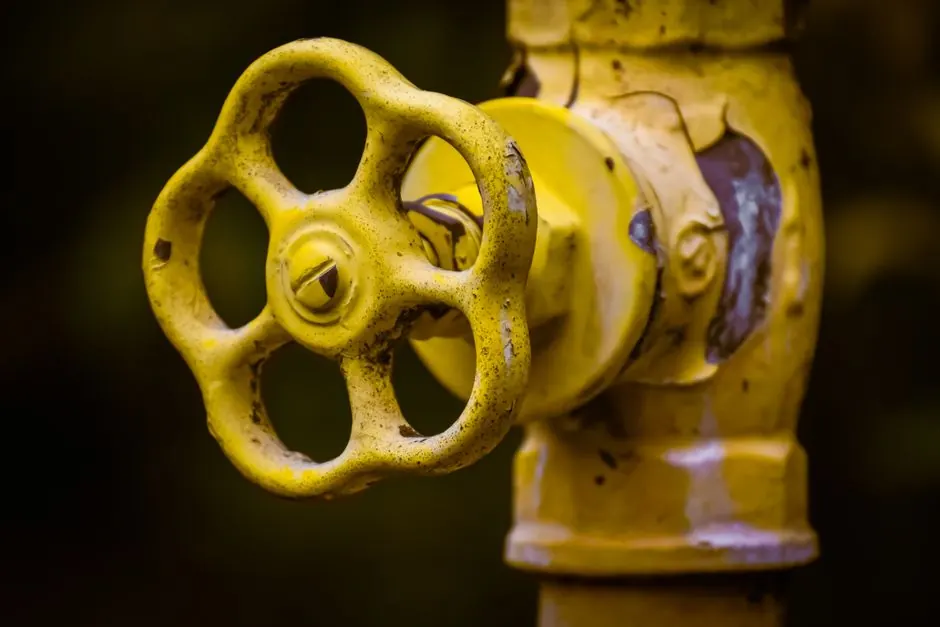
4. The free things worth checking before anybody comes out
- Make sure the main stop tap at the meter is fully open. Turn it fully on, then a quarter back. A tap left part-closed after previous work is common.
- Unscrew the aerator on the weak tap and look at it. Grit and scale collect there and it is the single most common cause of one weak outlet.
- Check whether an under-sink filter is fitted and when the cartridge was last changed.
- Try the same fixture with everything else off, to see whether it is a demand problem rather than a supply one.
- Look at the flexible hoses under the sink for kinks or crushing.
- Note whether it is worse at particular times of day, which is worth telling us.
Half of the pressure calls we attend are answered by one of the first three. Working through them yourself costs nothing and either fixes it or usefully narrows it.
Still weak after all that?
We will measure it properly and tell you whether it is a fault or the hill.
5. What can actually be done if it is the elevation
If measurement shows the incoming pressure is genuinely low and there is no fault to repair, the honest options are about managing what arrives rather than pretending more is available.
Sometimes the answer is the service itself. An old, undersized or partly restricted incoming line can waste a good deal of what is available, and renewing it recovers flow that was always meant to be there. That is worth establishing before anything more elaborate is discussed.
Where the supply genuinely is what it is, pressure-boosting equipment exists and is a legitimate answer. It is also a machine that needs power, servicing and eventual replacement, so it deserves to be a considered decision rather than a first suggestion. Anybody proposing one before measuring anything is selling, not diagnosing.
Low on the slope, unregulated high pressure is what bursts flexible hoses and shortens appliance life. A pressure limiting valve is the fix, and it is a small job.
6. What to tell us when you ring
- Whether it is one fixture or the whole house
- Whether it is the hot side, the cold side, or both
- Whether it changed suddenly or has always been this way
- Roughly where the house sits on the slope, which genuinely helps
- Whether any plumbing work has been done recently, anywhere on the property
- Whether neighbours have noticed the same thing
That last one is more useful than it sounds. A whole street noticing at once is a different conversation from one house noticing alone, and it changes who should be looking at it.
- Mains pressure falls with height, so two houses on one main can genuinely differ here.
- One weak fixture is a fixture problem. A weak house is a supply or pipework question.
- Pressure and flow are different. Most "weak shower" complaints are actually about flow.
- Check the main stop tap and the aerator first. They answer a large share of these calls.
- Have it measured before anything is replaced. A gauge settles in minutes what talk cannot.
- Low on the slope, unregulated high pressure is its own problem and shortens hose life.
Pressure and elevation FAQs
Can I get more pressure if I am at the top of the hill?
Sometimes, and honestly sometimes not. The first step is measuring what actually arrives, because a restricted or undersized incoming service wastes pressure that was available. Where the supply itself is simply lower, boosting equipment is a real option but it is a machine to own rather than a free upgrade.
Why is only the shower weak?
Because the problem is almost certainly at the shower rather than in the supply. Cartridges, restrictors and the isolating valves behind the wall are the usual suspects, and all of them are small jobs compared with anything involving the mains.
Only the hot water is weak. Is that the same problem?
No, and that is a useful distinction. If the cold is fine at the same tap, the mains is delivering. The fault is in the hot water system, its outlet valve or the hot line.
Is a pressure pump a good idea?
It can be the right answer once measurement has shown there is nothing to repair. It is also equipment that needs power, servicing and replacing. Anybody recommending one before measuring is guessing with your money.
My pressure seems very high. Is that a problem?
It can be. Low on the slope, unregulated pressure is what fails flexible hoses and shortens the life of appliance inlets, and a burst flexi hose is one of the most damaging things that happens in a house. A pressure limiting valve is the straightforward fix.
The pressure dropped suddenly. What should I check?
The main stop tap at the meter first, particularly if anyone has done work recently. After that it is worth asking whether neighbours noticed the same thing at the same time, because that points away from your property entirely.